Like most everyone (we hope…) we’re observing the quarantine as Covid-19 ravages the planet. It’s the most any of us can do, and it can make all the difference. Stay home, observe the personal distance protocols, and wash your hands.
Exercise, among other interruptions to our daily routines, can suffer during times like this, but it’s important to find ways to work out. This is as important for staying healthy as it is your sanity–motion is healthy. Since meeting to fence is off the table many people are eager for solo practice. If drills are dull, solo practice is worse, but it’s also important. Spending a few minutes a day, exercising that discipline, has benefits of its own, and!, you can start small. If you’re cooking or prepping food, for example, you can stretch, even get in some footwork. If you’re binging something on tele, stand instead of sit and do footwork, and if you have room, molinelli.
In the “About Us” section of this site, at the bottom, is a link to a pdf with a very basic, introductory set of solo drills. More advanced fencers can add to the short list of to-dos discussed there (e.g. I list three of the Radaellian molinelli, but my advanced students know all six and can do the rest as well). If you can get outside, a backyard, empty park, etc., do so–fresh air is good too.
This is a project I’m excited about and one in which I have had the honor to play a small part (I assisted Mike in a few seminars and have functioned as a moving pell from time to time as he’s worked on the material )
It’s not every day that a “new” branch of historical fencing comes to light, but Mike’s research into Georgian Parikaoba and Lashkroba is just that. Outside of Georgia, where the last three masters died only in the 1990s and where the art is still practiced here and there, few people have heard of this tradition. Even into the late 1990s here in the States most fencers interested in the historical side of things had very little to go on, mostly Richard Halliburton’s flawed early 20th cen. “ethnographic” account of the “Lost Crusaders” and a few more critical examinations of his work (Amberger’s Secrets of the Sword covered it briefly).
In addition to translating Elashvili’s Soviet era work on the “sport” side of the tradition, Parikaoba, Mike has been in touch with practitioners trained by the last masters, demonstration teams (Khridoli), sword smiths, scholars, and others in Georgia and beyond in order to share this addictively fun tradition with everyone.
It is a folk system, one generally passed down person to person, in the rugged highland regions of the Republic of Georgia. There is much to mine here as well apart from the joy of sword and buckler fighting–fans of Insular and especially Highland broadsword will find parallels in Lashkroba; students of I 33, of Andre Liegniczer, Marozzo, and other sword and buckler systems can add this tradition to their comparative studies; and students of dagger, polearms, grappling, and improvised weapons like the various combat-rings worn on the thumb will be enriched as well.
This web link, as Mike explains, is the book he has been working on for over a decade. Since his research is ongoing anything published traditionally now might be out of date or incorrect six months later, so this is one way to get the material he has promised into the world and make it updateable. NOTE: Mike is still uploading his work to the site.
The ahistorical and no doubt purposefully inflammatory drivel a conservative critic leveled at women fighting in the Netflix show “The Witcher” is undeserving of quotation. I’ll not share anything the ape said save what you read in the title. Interested parties can see the notes if they have the stomach for more—I will note that Forbes.com, which addressed this issue too, did cite the excellent example of London Longsword run by Dave Rawlings who, if you know him, would be (and was) quick to correct the ignorant critic (if you happen to see this, Hi Dave! =) [1]
The problem with poor excuses for Y chromosomes like this critic is that they have an audience. The pathetic incels who never leave their parents’ basements are one problem, but here I wish to address everyone else, general audiences with more wit, who might read that review and assume there is any veracity to it. There isn’t. I state this as both fencer and historian. A quick search online would’ve been enough to dispel Mr. Manly Man how incorrect his assessment of women using swords is, but it’s doubtful he cares. His point had nothing to do with truth or history and everything to do with pandering to his equally insecure base. Bad press is press, right?
Ella Hattan, “La Jaguarina”
There has been, rightly, enormous outcry about this. This is a good thing. Importantly, it’s not only been female fencers and fighters who’ve been quick to share examples of women with swords, but many of their male counterparts too. Now, more than ever, it is important for men—especially middle-aged white men like me—to stand up for their female colleagues and shout down the stupid. It’s as important as defending other historically marginalized colleagues such as People of Color and our comrades who are LGBT.
I know, firsthand, how difficult it can be trying to be an ally, but it’s important. You might also have difficulty overcoming how you look (something healthy for us old white dudes to experience from time to time); you might have someone’s unfortunate experiences with bad men grafted onto you, but that is part of advocacy. Not everyone sees you as an ally and some actively resent it. Some people will be happier using you as a convenient whipping post, especially if they’re unable to go after the men at work or in their families who have mistreated them. We all filter everything through our own experience. Do the right thing anyway.
Knowing my limitations, and my bailiwick, I’m trying to do my part as best I can. I tend to see my efforts to be a part of the solution as stumbling my way towards advocacy; I don’t claim to have all the answers or even most of them. But, I know A LOT of women who fence, as many if not more in martial arts generally, and I’ve been fighting alongside women since I first started studying the Art. As a colleague of female fencers, as the coach to several, I feel a responsibility to stand by them, and for the younger women I coach to serve as a good example.
I cannot and should not attempt to speak for women. However, I can hold up examples, ancient and modern, that put the half-baked notions of third-rate conservative critics in their proper light. The focus here will be on women and swords pre-20th century.
Women and Swords in History & Early Literature
Herakles fighting the Amazons, ca. 520 BCE, MET Museum
There are a number of excellent examples in the historical record and in heroic literature. Granted, saga is not history, but it’s a repository of values, a glimpse into what a culture holds dear, how it sees itself or wishes to see itself. Greek authors—among them Homer, Aeschylus, Herodotus, and Diodorus of Sicily all mention the “Amazons.” Of note, while many are said to have lived in central Eurasia, Diodorus cites an example from what is today Libya. In each case, by the way, we have some evidence to suggest that these were not mere tales, but based at least in part on fact. Archaeology bears this out. For example, in the last twenty years archaeologists in the Ukraine have studied the graves of over 300 female warriors. The graves are replete with weapons, some contain horse sacrifices, and there is clear evidence from the human remains that these women used these weapons. The bulk of the graves date to the 7th cen. BCE too suggesting that Homer yet again drew from actual fact in his tale of Troy.
Skull with metal head-dress pieces, from the Russian Academy of Sciences Institute of Archeology
The Amazons mentioned in Classical stories are not isolated. Irish literature’s most celebrated warrior, Cú Chulainn, was trained by two female fight-masters, Scathach and Aoife. The most important Irish war deity, the Morrigan, one of a triad, was a goddess (as were the rest of the triad, Badb and Nemain). The Scandinavian Valkyries (possibly influenced by these Irish deities) were the female warriors of Odin who selected the valiant dead for Valhalla. The connection between female deities and war was widespread, as evidenced by the Greek Athena and Near Eastern Ishtar to name only two. Though perhaps less common than in saga (Medh jumps to mind) there are accounts of women among the Celts leading armies, most famously Boudicca (who led a revolt in Britain against Rome in the mid-first century CE). [2]
To this early evidence we can add several medieval and early modern exemplars who either fought or led troops. Here, in brief synopsis, are a few:
Sichelgaita of Salerno
The wife of the Norman leader Robert Guiscard, Sichelgaita is best known for her role in rallying the fleeing Norman soldiers at the Battle of Dyrrachium in 1081. According to the Byzantine chronicler Anna Comnena, she confronted her fellow soldiers and urged them to stop fleeing. “As they continued to run, she grasped a long spear and charged at full gallop against them. It brought them to their senses and they went back to fight.” Another chronicler adds that she was wounded by an arrow during the battle, but the Normans were able to defeat the Byzantines. A further look at her career finds that she took part in and commanded sieges and was more involved in her husband’s military activities than was previously known.
Joanna of Flanders
Joanna of Flanders, the Siege of Hennebont
Joanna was known for her defense of the town of Hennebont in Brittany, against Charles, Count of Blois. After he had captured and imprisoned Joanna’s husband, he marched against the town in 1342. Joanna led the defense of the town. The chronicler Jean le Bel writes that “the brave countess was armed and armored and rode on a large horse from street to street, rallying everyone and summoning them to join the defense. She had asked the women of the town, the nobles as well as the others, to bring stones to the walls and to throw these on the attackers, as well as pots filled with lime.” The key moment of the siege was when she led 300 men out of Hennebont and burned down the enemy camp. She gained the nickname ‘Fiery Joanna’ for this feat. Joanna was able to hold off the besiegers until English troops arrived and forced the Count of Blois to retreat.
Jeanne Hachette
Jeanne “Hatchet” Laisne earned her nick-name defending Beauvais from the soldiers of Charles the Bold, Duke of Burgundy, in 1472. Like many women in the town, Jeanne grabbed a weapon to help defend the walls. She inspired her fellow defenders and famously fought against Charles’ standard-bearer.
Caterina Sforza
The Countess of Forli once said “if I must lose because I am a woman, I want to lose like a man.” A bold Italian noblewoman, Caterina was heavily involved in the papal politics of the late 15th century. Although her defense against a Venetian attack earned her the nickname ‘The Tiger of Forli’, in 1499 Pope Alexander VI sent his son Cesare Borgia to conquer her lands. Although she led a stout defense of Forli, she was eventually captured and taken back to Rome as a trophy.
Julie d’Aubigny
Julie d’Aubigny, Illus. attrib. to Henri Bonnart
Julie d’Aubigny was a 17th cen. singer, actress, and swordswoman. Her father was a secretary to the Comte d’Armagnac, King Louis XIV’s Master of Horse, and an expert fencer who trained court pages at the Grande Écurie. He trained his daughter alongside the boys. Her career as a fencer is fascinating. At one point, after having run away from her lover (as well as a husband conveniently posted to the provinces), she worked with a fencing master and in men’s clothing assisted him with public demonstrations. When questioned about her sex, she removed her top to a stunned crowd. Perhaps her most famous encounter was a duel with three men at one time—once again in men’s clothing, she kissed a woman on the dance floor and was challenged. She beat all three.
Ella Hattan, “La Jaguarina”
Ella Hattan was born in 1859 in Ohio. She was a professional actress, but a trained fencer as well. She was a student of Colonel Thomas Monstery, a famous mercenary fencing master, and pugilist. Ever the actress, Hattan created “La Jaguarina,” a modern Amazon, and sought out men to fight in different fencing engagements. In 1888 she fought a mounted sabre duel with a Captain Weidermann, and dominated the entire bout. [3]
Women in Early Fight Texts
Walpurgis MS I.33, 32 recto
To the compelling evidence of women known to have fought we can add the evidence from extant fight manuals. Walpurgis, the female fighter in the earliest known western text about swordplay, Ms I 33, the Walpurgis Fechtbuch, heads the list. This collection of instructions for fighting with sword and buckler hails from early 14th century Germany and now resides in the archives of the Royal Armouries at Leeds. Significantly, Walpurgis, like the two other figures illustrated in the manuscript (the monk and scholar), is depicted fighting. She is not a spectator. She’s not serving refreshing mugs of beer or cheering them on. She is one of them, a fighter. [4]
MS Thott. 290.2º, 82 recto
If you think she is an isolated case consider other well-known fight-books from Germany, perhaps most famously Talhoffer’s 1459 Fechtbuch (MS Thott.290.2º) which was produced in 1459. The images from 80 recto to 84 recto depict a woman engaged in a judicial duel with a man. With little explanation provided (the accompanying descriptions are terse) it can be difficult to appreciate what one sees here. Let’s start with the fact that women could fight judicial duels. Then consider that in these images we see her using not only a type of flail, but wrestling. In 82r she breaks his neck using the flail; in 82v he wins. However one look at this it’s clear that the female fighter is not completely out of her element. The man may start the fight in a small pit, but as we see their duel progress this woman clearly understands what she is doing, advantage or no. [5]
Addendum: One reader, Roderick, pointed out that I had neglected to include St. Joan d’Arc. This was not for any lack of respect for the saint. St. Joan not only led troops, but inspired them. She was often at the forefront of battle so her comrades as well as France’s enemies might see her. In fact, she was wounded on at least one occasion, and not even her enemies doubted her courage.
Statue of St. Joan d’Arc, Legion of Honor/Fine Arts Musuem, San Francisco (source: pinterest)
Women Fighting with Swords Today
Just as they have for centuries, many women in the modern world learn how to use swords (among other weapons), and, are damn good at it. Pick any field of fencing—Olympic, Classical/Historical, SCA, armored combat—and you will find women not only fighting, but teaching. There are organizations like Esfinges, a group dedicated to promoting and supporting women in historical fencing, and even events for women only. Women can and do fight with swords.
As fencers, as members of a small population often working in isolation, it’s on us to help dispel the misinformation so often associated with the Art, even when, as in this case, it’s obvious that the author’s comments were rhetoric intended for his own specious causes.
It may take different forms, we may pursue it differently, but the Art is for everyone.
[2] For references in these authors, see for example Homer, “The Iliad,” 3.189, 6.186; Aeschylus, “Prometheus Bound,” §707 in Aeschylus, Translated by Herbert Weir Smyth, Loeb Classical Library Volumes 145 & 146, Cambridge, MA: Harvard University Press. 1926; Herodotus, The Histories, IV: 110-117. For Cú Chulainn’s training and relationship with the goddess(es) of war see especially, Cecile O’ Rahilly, Táin Bó Cúailnge, Recension 1, Dublin, IR: Dublin Institute for Advanced Studies, 1976; see also the excellent entries on the Morrigan et al in James MacKillop, A Dictionary of Celtic Mythology, Oxford, UK: Oxford University Press, 1998. For Boudicca’s revolt, key sources are Tacitus, The Annals, XIV, and Cassius Dio, Roman History, LXII: 1-2.
For a recent discussion of the “Amazons,” see https://www.npr.org/2020/01/12/795661047/remains-of-ancient-female-fighters-discovered. See also V.I. Guliaev, Amazons in the Scythia: New Finds at the Middle Don, Southern Russia,” in World Archaeology 35 (2003): 1, 112-125; Lyn Webster Wilde, On the Trail of the Woman Warriors: The Amazons in Myth and History, New York, NY: Thomas Dunne Books, 1999.
For the Libyan example, see Diodorus Siculus, World History, 3.52-53; see also W.F.G. Lacroix, Africa in Antiquity: A Linguistic and Toponymic Analysis of Ptolemy’s Map of Africa, Saarbrücken: Verlag für Entwicklungspolitik, 1998.
[4] See for example Folio 32r, https://wiktenauer.com/wiki/Walpurgis_Fechtbuch_(MS_I.33)#/media/File:MS_I.33_32r.jpg. See also Jeffrey L. Forgeng, The Medieval Art of Swordsmanship: Royal Armouries MS I.33, Union City, CA: The Chivalry Bookshelf, 2003; Paul Wagner and Stephen Hand, Medieval Sword and Shield: The Combat System of Royal Armouries MS I.33, Union City, CA: The Chivalry Bookshelf, 2010.
[5] See for example https://wiktenauer.com/wiki/Talhoffer_Fechtbuch_(MS_Thott.290.2%C2%BA). See also Hans Talhoffer, Medieval Combat: A Fifteenth-Century Illustrated Manual of Swordfighting and Close-Quarter Combat, Translated and Edited by Mark Rector, London, UK: Greenhill Books, 1998.
from _Istruzioni per la sciabola di sciabola_ [_ (Instructions for Sabre Fencing_], by Arnoldo Ranzatto, first published in 1885, Venice; this is from the third edition, 1889.
Like most of my posts nothing I’m writing in this one is earth-shattering or new. Any reader familiar with individual lessons will recognize quickly what I’m talking about and why. Readers on the historical side, however, who often have little experience with this or who less often have a chance for individual lessons, may find this helpful. Regardless, discussing methods for increasing a student’s comfort and improving their ability to see actions and make decisions in real-time is valuable.
Generally, traditional individual lessons employ the same basic structure. A coach’s focus, personality, time-constraints, and student ages and experience weigh into this too, but normally it’s more a question of altering or augmenting the basic structure rather than adopting a completely different approach.
warm-up –> drill or new material –> cool down
Using sabre as an example, we usually start with a warm-up, such as a series of thrusts to the inside line from standing, then via the lunge; or a simple parry-riposte drill up and down the strip; or the “wood-chop” drill or similar. [1] This may be followed by drilling fundamentals—thrust and lunge, add disengage, or cuts to major targets, stop-cut drills, beats, feints—or by the introduction of a new technique or maneuver. To close there is usually a cool-down, often much like the warm-up (parry-riposte exercises, stop-cut drills, wood-chop drill, etc.).
In a sala where students are in class several days a week it’s possible to use the lesson to introduce new material and then have them drill with more advanced students. Assuming an appropriate degree of dedication this can be an effective strategy. If, however, one sees a student once a week, and especially if that student lacks others with whom to practice, it’s more difficult. Instructors are normally the first “foe” one faces, but improvement in fencing comes via meeting and overcoming new challenges, new challengers, not via habit and the familiar movements and tactics of one opponent.
Ideally, that lone student finds a way, either with you or another club, to find opponents and partners with whom to drill. This is always to be preferred, but until that happens what can one do to help them along, especially in terms of increasing their comfort with movement and the phrase? How can we speed them along, in a sense, when they have fewer opportunities to use what they’re learning? How can we get them to move beyond the one-two nature of so many drills?
Beyond the Play
MS Ludwig XV 13, 25 r2 (“The Getty”)
One of the challenges in historical fencing is deriving a useful curriculum from the sources. It’s especially difficult with older sources where more is assumed, the method of expression unusual, and where details we’d expect today are lacking. In Fiore’s corpus, for example, there are illustrations and descriptions, but a lot left unsaid too. Students working on the first master of the longsword wide plays, for example, have an illustration of the master and student crossed at punta spada (the top third of the sword or foible), another of the second option from this crossing, and an explanation:
Here begins the Gioco Largo (Wide Plays) of the sword in two hands. This Master who is crossed at the point of his sword with this player says: “When I am crossed at the points, I quickly switch my sword to the other side, and strike him from that side with a downward blow to his head or his arms. Alternatively, I can place a thrust into his face, as the next picture will show.”
Fiore dei Liberi, 1409
After the second image the Master continues:
“I have placed a thrust into his face, as the previous Master said. Also, I could have done what he told you, that is, when my sword was crossed on the right I could have quickly switched sides to the left, striking his head or arms with a downward blow.” [2]
MS Ludwig XV 13, 25 r3 (“The Getty”)
There’s a lot here to work with, and the images help considerably, but it’s clear that Fiore assumes substantial knowledge on the part of the reader. Notice what is not there: there is no mention of how one gets to this crossing; we’re not told how the scholar might defend himself; while we know this is “wide play” there are no details about ideal distance or tempo; we’re not provided any indication as to which option to choose when, just that there are two. We have, thus, little context for this play, and not surprisingly when many of us learn it we do so as a set-drill. There are more and less effective ways to do this, but one hurtle many students must overcome is how to recognize that they’re in this situation within a bout, and, be prepared for what can happen after one of these options has been exercised. [3]
A similar conundrum faces students working on more recent material. One of my sabre students, for example, asked me how he might improve beyond the initial actions of a particular attack. In this case, he had no trouble making a feint-cut to right cheek, cavazione/disengage with a thrust from second, but if the attack was parried he found he tended to stop. He added that he often felt that way—there was the initial set-to, then he wasn’t sure what to do.
As we drill so we fight
In order to help him, we did the following:
Stage 1: from the engagement of second, cut right cheek (10x)
Stage 2: from the engagement of second, feint right cheek, cavazione/disengage and thrust to the chest (10X) [4]
Stage 3: from the engagement of second, feint right cheek, cavazione/disengage and thrust to the chest, BUT this time I parry the thrust and riposte
The first two stages are set-drills. Stage 1, which focuses on the attack the feint will simulate, is intended to prime the fencer to make as realistic a feint as possible. In Stage 2 they make the same action, this time as a feint, and finish the maneuver with a thrust. So far, the student is the “agent” as older English sources would term it, the instructor the “patient” or receiver. As is, these stages exercise the techniques which comprise this compound attack, but apart from working distance (potentially), they don’t situate the actions within the context of a bout. It’s a set-play focused on technique, distance, and tempo, but all on its own, isolated.
In Stage 3, we add just a little context. The instructor reacts rather than just receive the touch. When I employ this method I make sure that the first few parry/ripostes are consistent and the same, e.g. a half-step back, retake second, thrust, or I take fourth and riposte to the right cheek. After a few rounds of this, I then tell the student that I will vary the target on the riposte. This does a few important things. First, it alerts and prepares them to watch what I’m doing; they can’t just anticipate the same response. Second, it mimics what they’ll have to do in bouts when their opponent doesn’t call their shots. Lastly, they’re primed to continue fencing and not just stop after their attack, a common problem many fencers face starting out. Depending upon their skill level we may take it further with additional actions, especially if focusing on not stopping after the first three stages.
In the next exercise, we turn it around—I make the same attack (the one we’ve been drilling) and they practice the defense. Here too we start small and progressively add more actions. Depending on the student they can vary their defense too.
Approached well this takes a drill into what is, more or less, a bout in miniature. It situates a specific action or drill in context. It adds more movement. Because it’s a drill there is slightly less pressure for some students than a bout. Put another way, rather than face the giant question mark that is all the possibilities they might face in a bout, they face the smaller question mark of what to do following something they know, that they’ve been drilling the whole time. In the example just above, watching to see if I parry second and or fourth is much easier because it’s explicit, it’s limited to one of two responses, but it still trains the eye to watch the response and not anticipate or react blindly. This introduces a level of psychological comfort necessary for learning at the same time that it’s helping them grow accustomed to incorporating new actions into real time and honing observation skills.
from Sir William Hope’s _New Method_ (2nd Ed., 1714)
There are other benefits to this approach. Placing the drill within a more combative context can serve as a pressure-cooker for testing more than how well they’re picking up a technique. If for example the student hesitates after the first few ripostes, encouraging them not to let up is important—if they have the advantage they should never stop before the halt. This said if they persist in the attack when it has failed, and up to that point neither person has been hit, encouraging them to take distance and reset is an acceptable goal. [5] Building confidence with a set of actions makes it that much easier for a student to incorporate them into their repertoire when they’re in the assault.
Progressive Drills in a Group Setting
Progressive drills can work in a group setting too. When I use this approach within a class setting I am careful to explain it at each stage, and check each pair of fencers frequently. This style of drill works best, however, with intermediate and advanced students. These students can help newer ones, but should have sufficient background to be able to notice basic trouble spots. Depending on the size of the class some amount of self-policing is necessary, another reason that it works better with more experienced fencers.
My more advanced students are quick to ask whenever they’re unsure about anything, and these discussions become opportunities to trouble-shoot, explain finer details, and explore variations on that particular drill. Time is often at a premium for many of us—we have barely two hours Sundays—but time taken to explain why we do something is important and isn’t wasted.
For beginners, I only use the progressive approach one on one, because the level of detail and attention required by both student and instructor is so much greater. One can make fewer assumptions, and sometimes we have to dial-back the complexity, something far easier to spot and correct one on one than in a group setting.
Progressive Drills & Curriculum Building
There is potential for this style of drill with our earlier works on the Art too. Returning to Fiore’s first master of the sword in two hands, wide play, the two options the master suggests could be Stage 1. Each partner would take turns attacking to work the two options. Stage 2 could introduce a defensive response—for the thrust, perhaps the defender counters with posta breve or frontale and cuts in turn or with the scambiar de punta (“The Exchange of the Thrust”). For the cut to the left side, one response might be posta fenestra followed by a thrust or a cut-around (or through) of the defender’s own. Stage 3, then, would allow the original attacker a chance to parry riposte, or, perhaps employ a move from the gioco stretto or close plays.
In the case of Fiore, whose exquisitely brutal system seems to have been intended to end a fight in two or three moves, there’s probably less need for long, extended plays (naturally proper safety gear is a must). This said there is value is situating his plays and exploring effective responses to them. Instructors in modern fencing will put students through drills with multiple actions within a lesson—something we rarely if ever need in an assault—because learning to work those multiple actions makes simple actions better.
For instructors struggling to get their students beyond drill and into effective use of what they’re learning, to move them beyond set plays, progressive drills offer one potentially rich source. For students working without an instructor, say in a study group, this can also be an effective method of practice. It might be especially helpful for those small historical fencing study groups looking for ways to expand their practice and build curriculum.
NOTES:
[1] Wood-chop or Around the Horn Drill: this drill primarily works target placement and the fingers. With a mask as target, either hanging up or on a partner, the fencer makes a cut to the right cheek with a double tap of the fingers, then to the top of the mask, then a single bandolier cut to the bib, and either repeats the sequence or goes through various parry/ripostes before continuing the sequence.
This example is taken from the Getty, but a quick look at the three other known mss. adds little additional information. The Morgan is almost verbatim what the Getty offers and the Paris/Florius and Pisani-Dossi contain much less explanation.
[3]Drilling First Master: researchers approach it differently, but one of the most sound I’ve seen is that employed by Mike Cherba (Northwest Armizare, Sherwood, OR) and Alex Spreier (High Desert Armizare, Bend, OR), both of whom first studied with Maestro Sean Hayes (Northwest Fencing Academy, Eugene, OR). Mike, for example, will have students start at punta spada, or start of out measure and meet there; if there is pressure against the agent’s sword, they cut around; if there’s not, they thrust through. Though first master of gioco largo doesn’t necessarily require pressure to work, the advantage here is that it provides one possible framework for the play and trains the student’s sentiment du fer.
[4] A look at most 19th cen. and many early 20th cen. Italian works on sabre will demonstrate the importance of having the hand about chin high on the thrust. With the hand in second position (thumb to the left, knuckles up) or in first in second position a la Barbasetti, the top of the arm is covered by the guard, the hand high enough to prevent an unexpected shot to the face, and the arm is poised to make the parries of first, second, or fifth quickly.
[5] If defense is the goal, if the goal is not to be hit, it’s better to break off than risk a counter attack or attack into tempo. The longer a phrase continues the more likely one might be hit.
It’s a commonplace that criticism is one of the hardest
things we face. No one enjoys it, but shared correctly and viewed appropriately
criticism is a powerful tool. For the fencer it can help to “unpack”
criticism as it applies to us as student. This is as true for the researcher. Just
as important as these two situations is an instructor’s ability to offer
criticism well. In each role we approach
this differently, experience it a little differently, but in each case—as
student, teacher, researcher—we’re in an endeavor that by definition includes
correction. So, it’s worth reflecting on some of the ways we give and receive such
evaluation.
Despite its etymology “criticism” generally
connotes something negative. [1]
There are probably multiple reasons for this, but one reason must be that so
often people don’t offer these observations well, either in terms of kindness
or effectiveness. It’s easy to take criticism personally, as an attack on our
character, and when criticism is offered poorly it’s small wonder. One of my
instructors many years ago—and since he’s still active I’ll not share his
name—was notorious for his meanness in lessons. More than one student left a
lesson in tears. He was less liked than he was feared, and while many of us did
well, many more of us might have had he been more amiable. For me, having grown
up within military culture, it was a little easier to deal with some of what he
said (while my father was not draconian, I certainly heard a lot of orders
given elsewhere that were brusque). I didn’t take it personally, not that it
was easy sometimes. Two of the more memorable comments he made to me were
“you move like a bovine,” during a lesson, and in coaching piste-side
at one tournament “Grow a pair and hit that guy—my grandmother could do
this.” Hardly inspiring.
In comparison to my other instructors, all of whom were
task masters in their way, this one sharp-tongued coach stood out. He’s not
unique. A friend of mine here in Portland was so scarred by a foil coach as a
teenager than he left fencing all together until discovering HEMA. Hopefully
your instructor isn’t like this—if so, I encourage finding a better one if
that’s possible. If you’re stuck with a lemon, or, if you struggle with
criticism generally, there are a few things to keep in mind that might help.
As Student
Looking first at proper criticism, i.e. the constructive, meant-to-help sort,
the most important thing to remember is that learning includes getting things
wrong. Correction is thus part of the learning process. We make mistakes, we
mishear, we struggle, we forget, etc. and a good teacher points these out and
helps us get them right. Usually our problem is less being corrected than how we are corrected. This is as true in
fencing as it is at school or at work.
This said, even the kindest criticism can be hard to
swallow. This is all the more true when we feel like we’re doing our best. We
expect results from hard work, and that’s not wrong, but as a working
hypothesis it needs refinement. Hard work on its own does little—it needs to be
consistent, it needs to focus on the correct things, and hardest of all it
takes time. Fencing is difficult. It is a highly technical art. If you’re going
to assume anything—and assumptions are generally a bad idea—then assume years
of constant, persistent practice. Be kind
to yourself and give yourself room to mess up.
No one masters this stuff right away. Being armed with more realistic expectationshelps a lot. Knowing that what you’re
studying is difficult and time-consuming should temper the impact of criticism.
When you expect it, it feels less about you and more about the process. Just
keep at it. However dressed the critical assessment of your skill is at that
moment looks less awful seen against the backdrop of long-term development. It’s
a moment of time—you will learn to do X, and then find some new challenge. All
of this requires that your ego is in check, that you’re less concerned with how
you look in front of your peers, and that too takes work. Focus on the Art, not
the perception others may have of you.
If your instructor is like that one I describe above,
then you’ll need to separate out the emotional
chaff from the constructive grain. This means ignoring any comment that
touches on feelings and focusing instead on those that treat substantive
issues. In the case where my instructor referred to my movement as
“bovine,” he went on to have me do footwork for the rest of the
lesson. I was plodding, not advancing, and so I spent a lot of time trying to
make my front and back foot land at the same time (back foot to floor as front
toes land). [2] I ignored his nasty
comment and just focused on the skill. Easier said than done, true, but with
practice and a good attitude it’s possible.
As Instructor
It’s in our own best interest to be kind when offering
advice or criticism. Kind doesn’t mean talking around an issue or walking on
egg-shells; it means sharing your evaluation in a way more likely to reach that
student. Often the best policy, a la the Golden Rule, is to mix whatever
analysis you have for them with encouragement. We know this stuff is difficult,
we know it takes time, because we were at the same stage of development
once—this should make us sympathetic.
Like anyone we can get frustrated. Maybe you’ve had a bad
day, maybe the student doesn’t seem to be trying. Your job is to recognize that
emotion, put it in place, and proceed without expressing whatever vexation
you’re experiencing (if you are). It doesn’t help your student, and more than
likely will only stymie them. As important as criticism is, so too are
compliments were appropriate. Initially you may only compliment their effort or
an aspect of one action, but with encouragement students are far more likely to
press on, because they know you believe they can do it. This support is especially
critical as they start—many new fencers quit not because they don’t like what
they’re doing, but because it feels impossible. No coach should reinforce that
idea. Your own training is proof it isn’t impossible, and with that insight
your support is not empty, but informed.
Expect to repeat yourself, a lot, especially with younger
students. Expect to repeat the same lesson often. Expect to work at new ways to
explain the same thing. Patience is worth cultivating, and, it will help you
and your students. Our enthusiasm, patience, our can-do attitude is everything,
and it’s not a race: if it takes student X longer to master a specific
technique, then it does.
Returning to my gruff former instructor, how else might he have addressed my poor footwork? Here is one approach, least it is close to the sort of thing I have found useful:
Halt! Okay, now when you advance listen to the sound. Good—you’re making a single advance, right? How many steps did you hear? Not sure? Okay, do it again. How about now? Two! Did you feel like you were smooth or sort of bopping up and down? Correct, kinda bobbing, right? This time try to coordinate the landing of the back foot with the front toes as they touch the floor. Watch me—I lift the toes, I glide just over the floor, and as my front toes lands so does my back foot. How many steps did you hear? One. And I wasn’t bobbing, right? Now your turn.”
In this example there were no ad homines; no questions as to the student’s simian ancestry,
relation to barnyard animals, or quips about the student’s masculinity or
femininity. This example focuses on the skill-set, on the specific actions, and
explains them. The instructor demonstrates it, and then encourages the student to
try again.
There are a lot of ways to do this, but whatever words
you choose it’s best to build up, not tear down.
As Researcher
If you’re a researcher or translator you’re going to run
into critics. There are different sorts, and happily many you can ignore. The
ubiquitous internet “troll,” for example, the dolt who just has to
pick something apart or disagree, isn’t worth your time. There are a lot of
people in the historical fencing community with over-inflated notions of their own
brilliance and/or importance, so chances are good if one of them attempts to
heckle you that you’ve somehow put them in touch with their own insecurities.
Not your problem. Be above that and avoid the intellectual squalor to be found
in the fetid fen of the comments section. [3]
The only criticism worth troubling yourself about is
proper, subject-driven, constructive criticism by credible people. You may disagree, or, have information that your
reader doesn’t, and the situation may or may not warrant a rebuttal, but if you
put your work out there you should expect that some aren’t going to like it or
agree with your conclusions. For a quick example, an article I wrote for my
graduate advisor’s Festschrift
received some decent criticism. Now, the reviewer, since they didn’t deal with
the editor of this book, couldn’t know what I did, namely, that the stuff the reviewer
wanted to see in my article had been there, but had been excised for length. I
wasn’t happy about that, but as the first academic article I had in print I
didn’t know to push back, or, time-allowing, edit it so that all that could be
there. The reviewer’s point is a good one, and my article would’ve been better
with that information still there. We learn.
The public nature of this criticism makes it all the
harder to take. Where even a decade or two ago a review might only be read by
those with subscriptions or access to the periodical that published it, today a
quick search of your name and a title on Google allows the entire world to find
it. Add social media sharing and that many more eyes are likely to see it.
How we react to criticism says a lot about us, so it’s
worth reflecting, even preparing for various scenarios. Good criticism is
always nice, and being gracious about it is important. However, dignity, grace,
and measured reactions to a bad review or criticism are as important, maybe
more so since people are far more likely to notice and remember fireworks than
a thank-you. If the evaluation is accurate and fair, if the criticism leveled
at your work stands up, then it behooves you to make changes and re-share the
work. Own it—there is no shame in admitting we’re wrong when we actually are.
If it’s not possible to fix or reshare the work, then you can write something
else and discuss it there. I’ve had to do this, even preemptively, when I’ve
noticed an issue in my own work. [4]
Allowing poor work or a mistake to stand or worse digging-in and trying to
justify it are unwise. Maybe you have supporters, maybe you don’t, but if an
error you’ve made has been demonstrated sufficiently, the better part of valor
(and scholarship) is to own it, then fix it. [5]
Knowing what is fair criticism or not, what is accurate
or not, can be difficult. To state the truth not all professional reviewers are
as balanced, fair, or objective as they should be. Some have their own agenda
and their criticism, as such, is more “you didn’t do what I would have
done” than anything substantive about what you actually produced. It’s not
fair, but nothing is fair. In cases like these it can sometimes be important to
write a rebuttal. One must be careful to separate personal embarrassment in
making errors from chagrin with one of these critics. Each situation is handled
differently.
Understood, accepted, and used as a tool for growth
effective criticism can be valuable. It helps when that criticism focuses on
the task, not our character, and when it is shared in a supportive fashion. If
you fence, and it doesn’t matter what style, you will have to find ways to
handle being evaluated. The good news is that it does get easier over time. With
practice it’s far easier to focus on what they’re attempting to help us do than
anything else. Pick your instructor well, realize that they’re doing what your
hired them to do (teach), and remember that there is “no growth without
assistance.” [6]
———-
NOTES:
[1] Our word “critic”
derives from Latin criticus, itself a
loan from Greek kritikos,
“capable of judging.” Context is everything, but as a general rule,
for most American speakers of English anyway, “criticism” is a word
that most interpret negatively without further clarification.
[2] This is a
very useful pedagogical tool. Students tend to make smaller steps, tend to
coordinate their feet better, and in time improve their advance as well as
retreat. In practice, during a bout, one doesn’t necessarily move as nicely as
this, but one will move better for having worked so hard at it.
[3] I’d rather
not name the people, one in particular, that seem to make an effort to disagree
or undermine anything I say or post on social media or elsewhere, but they’re
good examples of insecure people with ego needs that outweigh their ability to
reason or play nicely. Unless there is a reason to correct them, I ignore them.
Arguing with the village idiot, as the old saying goes, only creates two
idiots.
[4] A fun
example, and one hard for me not to enjoy given the irony of my interest in
historical fencing, is a line that was misprinted in Artifacts from Medieval Europe (2015). On page 32 the line
“Like the sword discussed here, they were still broad enough to cut, but
also had a strong, rigid diamond shape that enabled the sword to punch through
plate like an awl.” The word “plate” should have been mail, for
while it is possible to pierce armor with poor heat-treat—a friend of mine has
done this with a dull spear-head—swords in the age of plate weren’t used
against armor, and when they were, they were used like a pole-arm to stab into
those sections not as well-armored, generally of cloth and/or mail.
[5] A good
example of this problem is the debate, such as it is, between two translators
of the same rapier text. One of these translations, made by a well-respected
scholar, is certainly freer in expression in some places, but is far and away a
better version than the other. The author of the less successful translation
has attacked his rival on a number of occasions, but to little effect outside
of his little collection of supporters. I’ve read through the criticism of his
work and the complaints hold up. Even when called on it he refused to accept
it. Don’t be that guy.
Most of us tend to carry simplistic notions of progress and
improvement. This is as true when we talk of societal “progress” as
it is a particular skill-set such as fencing. [1] In broad outline the idea of progressive improvement is not
“wrong,” assuming that the topic is subject to the idea of progress
(here defined as an increase in skill, knowledge, and ability over time), but
on a day-to-day, functional level it wants for a lot. How we view progress,
especially our own improvement in something, depends greatly on our attitude
toward it. Happily we have considerable control in shaping that. I don’t mean
this in some sort of pie-in-the-sky Professor Pangloss way, but in the sense
that there are considerations, methods, and approaches to the idea of
improvement that we have control over and that can do much to make the process much
less painful. [2] This doesn’t mean free from aggravation. Frustration
is a part of learning, not just at the beginning of acquiring new skill, but
later too, and how we manage that is as much about how we think about it as
anything else. How and what we think affects how we learn as well as our
enjoyment of the subject.
A Conventional View of Progress
This is just a chart I made, inexpertly, using Word and Paint, but it illustrates an attitude toward improvement that many of us have. We often don’t even realize we’re applying it:
One Typical Way of Viewing Progress
Looks so simple, right? In this view, beginners start at the
bottom, and through hard work, discipline, and time, increase their knowledge,
skill, and ability, until they reach mastery. It’s a straight line up a steep
slope. Length of climb depends on the gifts of the student, the talent of the
coach, and access to practice. It’s deceiving. The slope is steep and
long, but the way looks smooth. It isn’t.
Were this an impressionist painting this view is the one that we’d
get from perhaps mid-gallery. We see the whole work. Beginners start with no
experience, spend time and effort, usually with help, and in time and assuming
good coaching, discipline, etc. they master the new skills. As we get closer to
the painting, however, we see more detail, we see the brush strokes, the ways
in which different colors mix, and up close it’s harder to see how all this
chaos leads to the attractive image we see. It’s not as pretty, but, it’s
important, for without all those details there is no painting. It’s these less
attractive details and how they relate that produce the pleasant whole. We need
to step closer to the painting, or in this case the chart, and examine in
closely to appreciate it fully.
Plateaus of Progress
What follows is a closer look at the painting. Rather than view this as above, as a nice isosceles triangle with a smooth slope to success, we’ll look at it as if it were a stepped-pyramid or ziggurat consisting of uneven blocks. The way forward, in truth, isn’t easy, straight, or made in regular stages, but in moments of insight and break-through, in long plateaus of stasis, followed by another jump in ability. [3]
Plateaus of Progress, a.k.a. the Ziggurat of Improvement
Like the first chart, the beginner [B] starts at the bottom, but improvement is illustrated in a slightly different way. Initially, the climb is vertical, long, and improvement is marked by sharp contrast as we hit the first plateaus in learning (the sharp, 90 degree corners). Over time, as we grow, those edges round off a bit (steps farther up have rounded edges): adding new skills is a little less difficult because we have a better sense of the geography. In time, some plateaus are shorter, we spend less time on them; we grow a little faster. It may take us a while to incorporate the new skills as they grow in complexity, but we spend less time between them (steps are taller, but distance between one step and the next is shorter). “Mastery” here is a guide, not a goal; the concept of it helps us strive to improve and add to our ability, but the more we learn the more we realize that there’s always more to learn, and, ways to deepen what we already know. There’s no top to the ziggurat—in Babel fashion it just reaches into infinite heights.
Looked at this way, with full recognition that the path of improvement is not straight, should make harder aspects of the process less painful. Some sections of the path are easier than others, some take longer to travel than others. It’s all part of it. We will struggle sometimes, we’ll make mistakes, we won’t understand, we’ll feel like we’ve added one skill only to lose another, and we will sometimes feel as if we’ll never get it. Knowing that this is to be expected, that there’s nothing wrong with you, that it’s not a question of talent, but of dedication, can help us get through the rough patches.
We Control Attitude
Attitude is thought. Whatever native self-confidence or self-worth issues we might have, however much we might struggle with imposter syndrome, whatever sense of grace or clumsiness we possess, whatever setbacks we have or identify as setbacks, how we think about it all makes a difference. It can take an “I’m no good at this” or “I can’t do this” and change it to “I’m still learning this” and “I can’t do this yet” (or better, “I’ll be able to do this soon”). Fencing, no matter what sort you’re pursuing, is difficult; it’s a complex way of thinking with movement. It takes time.
Bob Ross, the famous television painter, said “Talent is a pursued
interest. Anything that you’re willing to practice, you can do,” and he was
right. [4] That fencer that you see whom you find gifted, who makes it
all look easy, whose movement and tactics inspire, got where they are through
hard work. Maybe they were precocious physically, but they too had to learn;
they too made mistakes; they too struggled. They got to where they are because
they didn’t give up. The best fencers recognize that the learning never stops.
An attitude that takes into account the mileposts, not just the destination, and realizes and accepts that parts of the path are bumpy, parts steep, parts easy, that some stretches are longer than others, will suffer less and get more out of the trip. Approached this way, it can be easier to focus on where you are now, on the new skill you’re working on, and not how much farther you have to go and all that you haven’t mastered. With practice, it’s possible not only to be present in the moment, focused on the task in front of you at this specific time, but enjoy it too.
Theory and Practice
Theoretical approaches to pedagogy are informative, but
how does one apply all this to the actual practice of fencing? There are two
chief ways.
Macro Level
What I’ve shared above about a more useful way to consider improvement is the macro level. It’s the big picture. The whole painting seen from a distance. Put another way, it’s your life as a fencer from open to final curtain. When we hit a plateau in learning, when we feel like we’re not getting where we want to go as fast as we think we should, this is when a more realistic look at the big picture can help. It puts the present moment in context. We see that our current struggle is necessary, a key part of the journey, and importantly, that we’ll get past it and then work on another one.
Micro Level
This same ziggurat of improvement can help us with individual techniques, tactics, and maneuvers too. Just as our entire fencing life can be examined against this notion of improvement, so too can the acquisition of new skills. As an example, consider the simple cavazione/disengage in foil. When we first learn how to perform this, our actions are large and clumsy; our arms might not be extended. We pick the wrong time and distance to use it. Over time, with practice, we make smaller evasions; the action is tighter; our arms are more extended; we use thumb and forefinger more than arm. We start to select the right moment (where time and distance converge with judgment) to use it. The technique, the cavazione here, is now part of our repertoire.
Setting
Expectations
This idea of plateaus of improvement assists us in setting realistic expectations and goals. Our expectations affect our performance, so developing a pattern that preempts the downside of frustration only helps us. Used on the macro and micro levels it helps us manage long- and short-term learning goals. It is also a kinder way to appreciate our improvement, because it’s easier to see each stage in context, as part of a much larger whole. Both student and instructor can benefit from this perspective [5].
“Wanderer above the Sea of Fog,” (ca. 1818), by Caspar David Friedrich [6]
Recognition of the reality of the road of improvement won’t erase frustration, but it can mitigate it. If nothing else one can look back over the climb they’ve made to date, realize how far they’ve come, how hard they’ve worked, and that today’s tough plateau is just one step in a series of plateaus we’ve already conquered and those yet to come. There’s an odd mix of satisfaction and determination in such moments. It builds confidence. It can be the one thing on a tough day that helps us with make the next leg of the journey.
Macro
& Micro Expectations
Expect learning new things to take time
Expect to improve with practice
Expect certain maneuvers to make more sense
later
Expect to make mistakes & that it’s part of
the process
Know that you have all you need to succeed
Know that you will improve
Know that your benchmark is not others, but
yourself yesterday
Addendum, 10-24-19:
A fellow local fencer, and a chap who also teaches, shared some feedback with me about this piece. I want to share it in full here as it will speak more to those with experience than my attempt to reach a wider audience does. Most of the comment only restates, in more technical language, the point I was making, but he shares an idea there that I think is worth adding. Thank you Will P. for your feedback =)
“A very approachable explanation of a non-intuitive and important topic, thanks for writing it, Jim BT Emmons, and to Mike Cherba for sharing. Some feedback, though. As a preface, It’s a given that any concept involving humans is going to be complex enough that one has to strike a compromise between detail and actually getting something written, but there are two concepts that I think are fundamental enough to be worth knowing even in an overview. First, improvement comes in the complementary forms of expanding understanding and skill building. Skill-building follows an exponential decay pattern while understanding follows a step pattern (like in your diagram). And they inter-relate in that skill-building is capped by understanding while gains in understanding often require a certain threshold of skill in order to be meaningful. Putting the two together, and you get something like a ziggurat with heavily rounded corners, where the upwards movement is skill-building that gradually slows down until a new insight occurs that allows it to speed up again. Second, and more important for beginners to understand, is that progress (as can be seen externally) can be very different from the experience of progress, where the latter looks a more like the Dunning-Kruger curve: one feels like one is improving rapidly as a mysterious thing becomes comprehensible, followed by a period where one feels like one is getting worse (as the full scope of the skill becomes apparent), followed by a slow build (as one’s perception finally starts to align with reality). ” [source, NW Armizare, fb page, 10-23-19]
Will’s second point here, that experience of progress in oneself very often looks much different than that of a coach or other fencers, is important. Perspective changes with experience, and for newer fencers it can be easy to believe that one is doing technique X well when in fact one is only doing it marginally better than yesterday. This isn’t bad, but knowing that our own estimation of where we are, especially at the beginning, is important. I can attest to this well myself, though the example (one of many alas) is a little embarrassing. In my first year of competition, as the third string sabreur on my college squad, I left one bout of however many I fought that day convinced I’d won. Everything seemed to go well, better than well, and yet… I kept losing the touch. In this particular bout I think I managed 1-5. In discussion later, my coach at the time remarked that I had made some of the actions well, better than before, but at the wrong time or in the wrong context. Looking back on that now, some 30 years later, I know far better what he meant. Anyway, be kind to yourself, give yourself room to screw up, and keep fencing!
—————
NOTES:
[1] There’s not room enough to discuss the idea of
“progress” or its failings, but if you’re curious the Stanford Encyclopedia of Philosophy has
a decent summary: https://plato.stanford.edu/entries/progress/
[2] Pangloss, a
caricature of the philosopher Gottfried W. Leibniz, is the ever-optimistic
tutor of Candide in Voltaire’s Candide, or Optimism, translated from the
German of Dr. Ralph (1759).
[3] In the process of editing this, and looking for typical charts for fencing improvement, I found a very similar idea if, in my opinion, less well spelled out 😉 [the link here has issues, so look up academyoffencingmasters, blog, and small-steps-big-progress and you should find it.
I have had the great pleasure to work with some of the 8th graders at Trackers Forest School in Portland. These are shots, taken by parents (and used with permission), of one of the classes. The kids are smart, enthusiastic, ask great questions, and are keen to learn. I’ve really enjoyed working with them!
This course is a four week introduction to see if the kids like it, if it might be a viable extension of their program. Most of their class time is spent out of doors, but with the rain here we’ve had to adapt and thanks to the very hard work of one of the parents, we found a great spot to keep gear dry.
Discussing the invitation/guard/parry of terza/third
With an introductory class like this, and limited space, we’ve spent most of our time on fundamentals of movement and basic blade-work. I note this because whenever I have students targeting more than the head, they are in jackets. Only three weeks in, we’ve focused on the dynamics of the cut, both direct and by molinello, and I’ve restricted that to the mask (top of the head, left and right cheek). Safety is paramount and I want to make it clear that what you see here is not oversight or neglect, but by design.
The young man in black, a regular student of mine, assists one of his classmates.
“La Leçon d’escrime,” by Alcide-Théophile Robaudi (d.1928)
Children are one of many populations yet to make much appearance in historical fencing. There are a lot of reasons. Lacking decades of tradition few programs have developed specific versions suitable for kids. In a similar way there are fewer resources, from age-appropriate translations to gear that is child-sized; this makes it all the more difficult. In fairness, many clubs aren’t interested in working with kids and of course that’s okay.
Some avenues into the community are arguably safer and
more approachable for children than others—sabre and smallsword for example,
have workable trainers in terms of size and weight in ways that longsword does
not. This said there are options for other systems that are worth considering.
[1] Young people are an untapped
market, and generally far more curious and excited about fencing, of any kind,
than most adults. Working with kids can be great fun too. Their curiosity, enthusiasm,
and ability to learn so well through play can make them good students.
There’s much to consider, however, when working with
children. Here, I will cover some big-picture considerations that generally
follow any activity with kids, and a few suggestions for how to start a kids’
program.
It’s about more
than Sport or Recreation—Remember, You’re a Role Model
In a previous post (Oct. 18th, 2019) I briefly
discussed a few ways in which instructors are role models. This is particularly
true with regard to children, and so everything we do, say, and how we say and
do things, must be beyond reproach. We have to be sensitive to the dangers
children face, not just in terms of physical danger or harm, but
psychologically too. One bad coach can affect a child’s ability and interest in
a sport or hobby for the rest of their lives.
Given the delicate nature of working with young people
there are a lot of other factors to consider apart from gear. We must consider
their safety, our transparency in working with them, and the short- and long-term
goals we’re helping them reach. While I have mostly taught adults, I’ve also
taught children off and on for years, and in the last two years I’m teaching
more and more of them. A number of things have come up for me in the process that
might assist others interested in sharing the Art with young people.
Various Aspects of
Safety
Safety is one of the top priorities—it should be for
adults too, but it is just as much if not more of a concern with children since
they are less effective at self-regulation. First, parents tend to need
reassurance that their kids aren’t going to be hurt. Second, children, being
less focused and more prone to horseplay, sometimes take longer to acculturate
to traditional safety protocols. Lastly, there are most often legal issues
around working with children that you ignore to your peril.
Safety &
Horseplay
Single-stick match from Tom Brown’s School Days by Thomas Hughes, 1857
Keeping kids safe comes down to several things. As the instructor you set the tone, so with kids it’s important to hit safety hard day one and reinforce it each practice. This can be just simple reminders to carry weapons point down, but quizzing them periodically is a good idea too. All gear must be sized correctly, in good repair, and actually worn. While boring, spending time from the off on safety, on some basic rules, establishes how things will be each class and provides a baseline to return to as needed. I break my approach down into an easy to remember abbreviation/acronym PET:
Pprotocols and awareness
Eequipment
Ttechnique
Many children have pets and help take care of them, so
when I introduce this idea that is the analogy I use. Protocols include not fencing
without gear, holding weapons point down, and being aware of one’s place in
space as well as that of one’s neighbors, expensive mirrors, etc. With equipment,
I teach them to inspect their masks, jackets, and weapons for basic issues,
such as large dents in the mask mesh, bad zippers or Velcro on jackets that
don’t work, and loose weapon parts or blade burrs. Technique is, after our
protocols, the most important—good technique helps ensure safety. Masks,
jackets, all that stuff, is there for when our technique fails, or, when we’re
playing good partner and allowing our partners to strike us. Each of these
elements we constantly apply, regulate, and reinforce.
Horseplay is natural with kids, but potentially
hazardous, so it is vital to nip it in the bud, kindly, as it happens. I tend
to adopt a light, if firm tone with my students. With horseplay, for example, I
might say, with a conspiratorial smile, something like “hey, I don’t
remember saying we could start you two…—I love that you’re ready to start the
drill, but let me finish explaining it, okay? That will make it easier and I
want to be sure you all get it right.” One can’t give children swords and expect
them not to swing them about, make cool sounds, etc., so giving them plenty of
drills where they can do that helps.
Transparency
Allied to safety, when teaching children it’s best for all concerned if everything you do is transparent and public. It’s sad to have to say this, but because of the problems with crimes against children, even in places where they should be safe, it’s imperative to do all one can to make it clear that one is not a creep. The first step is to make allies of parents, not in word only, but in action. I encourage and remind parents each practice that they are welcome to stay and watch. To be honest, I want them there, for while I know I’m safe, they don’t and if they’re present there is never any question. Think about it—even if you don’t have kids of your own, how comfortable would you be dropping them off with some strange man who plays with swords? Transparency keeps kids safe and removes any remaining suspicions parents might have. I’m a parent myself and no way would I leave my kids in any situation I wasn’t 110% sure about.
NOT a good way to advertise…
I teach children either in public venues, such as parks and covered play-grounds, or, in classrooms where there are other adults present. Teaching in back rooms solo is the fencing equivalent of a beat-up old van with “free candy” painted on the side (forgive my hastily produced creepster-van meme—this demanded a visual 😉 ). Don’t do that. There is no reason to. Public lessons are free advertising too, and if kids and parents see other kids doing this fun stuff, more than one will approach and ask you about what you’re doing. This can lead to additional work, new people to share the Art with, so it’s an important consideration.
Having parents there and clearly welcome says a lot. There are other benefits too. If children need help getting suited up or down, parents are the perfect choice. Also, parents listen, and more than once I’ve had parents help reinforce basics—one mother told me after practice that she had been on her child to keep his front foot oriented correctly. If you’re really lucky, parents may become interested too, and then you may have an entire family training with you.
Depending on how you’re teaching there are additional
steps you’ll either need to take or should to be on the up and up. Many
organizations require, rightly, background checks. There are also oversight
bodies like Safe Sport and Sport Safety International that have
great resources. [2] If you’re male,
then I encourage you to check out and get certified with Safe Sport. It’s good
information for you to have and being certified with them will only lend more
legitimacy to you. It’s not a guarantee of appropriate behavior, I know, but if
you work with kids, especially young women, your job as role model not to
perpetuate the toxic crap young women face from men is important. Be part of
the solution, not the problem.
Goals—They Vary
FUN!
With kids, I make the number one priority fun. Fencing is
fun. However, it’s a lot more fun if you know what you’re doing, so finding the
right balance, the appropriate amount of what
to teach them is vital. Some kids want to put on all the gear and just start
wailing, but naturally that is not what we want them to do, so, making lessons
fun will make the work seem less like work. Distance and footwork drills, for
example, are ideal ways to have them expel all that excited energy, work on
fundamentals, and play games. “Glove Tag” and “Foil/Mask
Push” tend to be favorites. With group classes turning footwork up and
down the floor into “Red Light/Green Light” with various types of
footwork, e.g. advances up on green, retreats on red, or, lunges on green,
recovery on red, tends to be a crowd pleaser too.
Most children you teach may take a class or two and then
move onto something else. You should expect that and not take it personally.
This stuff is hard, it’s not for everyone, but even exposure to fencing is
valuable. Maybe they tell their friends about the “cool sword” class
they took and some other kid signs up, or, maybe they just have a better
appreciation for what they see in the next pirate movie. Making it fun is a
worthy goal on its own—play is a vital part of being human.
Sharing the Art
One goal, obviously, is to impart some amount of the Art to them. With children start small, focus on fundamentals, not the fancy stuff. When they ask, and they will, remind them that we have to do the basics to do anything advanced. One analogy I use that normally works are building things with Legos—no one builds a giant castle, race car, or space ship right away: they start with a few pieces, follow the instructions, and in time build the super cool creation they want. It’s the same with fencing.
Looking Ahead
Some students will get hooked. This always makes me super happy, but I also
realize that it’s important to check in with them periodically about their
goals, about what they want out of it. One of my current students only wants to
focus on the historical material, so that is what we do. Another, however, is
interested in competition and so we’re talking about how that might work. There
are fewer historical/classical tournaments than Olympic, so it may be that I
introduce him to colleagues on that side. It really comes down to where his
interest takes him. I don’t teach the modern game and am smart enough not to
try, but I know people who do and my goal as instructor is to guide students as
far as I can.
Ultimately, we have to accept that some students may stick around, some may
move on, and that this is okay. Even if we are one stop on a much longer
journey that’s important. We do our part. Some take this personally, but unless
there is a good reason to I don’t see why that should be. The experience we
have not only provides them with the tools of the Art, but also with ways to
approach, understand, and pursue that Art as they grow. Discussions about their
goals from time to time helps both instructor and student—it helps us design
training, and, it helps the student develop because they set way-points to
reach.
Historical Fencing
for Kids—a Primer
In future posts I plan to share more detailed course
ideas for kids—sabre, foil, some Armizare,
backsword, etc. In addition to foil and sabre, I’ve helped teach some of Fiore’s
Armizare to kids before and it’s
great fun, but here I’ll provide a few general ideas to aid a seminar or series
of short classes. Even if all you have is an hour—the two places I teach now
only have that much time for us—you can do a lot. Keep the kids moving, change
things up, and focus on fundamentals.
Safety Gear: this is one of the hardest parts. Naturally most people don’t own fencing gear, and it’s not like local sports stores carry it either. To run a decent class you need at the very least masks. Ebay, Craigslist, Fb Marketplace sometimes have gear, but you must be careful. Do your best to discover what shape the masks are in. Jackets are nice, but a stout jacket or sweatshirt can work too provided you emphasize control and not hard-hitting. Smaller work gloves, available in most garden shops, will work too and are relatively inexpensive.
Trainers: Olympic weight weapons, especially sizes 0-4 will work fine for smallsword (foils) and sabre. They can be had for about $30 or so each, so it adds up. The plastic Aramis brand foils and sabres are not bad, but can be harder to find now and will cost about as much.
In a pinch, two to three foot staves of rattan or dowels
can work. For point work you’ll need to add a little padding—pool noodles and
duct-tape work well. Boffers are another option, and can be made with a little
pvc pipe, foam or pool noodles, and tape. My kids have played with these and
even when they get rough there is less danger with boffers. They’re not ideal
for edge-alignment, but with a little work you can shape a boffer to produce a suitable
if not ideal edge.
Classes: Keep it simple, keep it fun. Depending on where you teach you will have to adjust. For parks and rec at present I teach a six week class that meets twice a week; at one area middle school I’m teaching a four week class that meets once a week. In each case I have one hour, which makes it hard to do much more than introduce some fundamentals.
Age is another consideration—younger kids, say 7-10, may
not grasp concepts as fast as teenagers, so you may need to adjust your pace up
or down. Attention spans are likewise variable, so with kids classes much
longer than an hour are not a good idea. Most individual lessons are much
shorter.
Drills: Drills as games are your bread and butter. Varying the drills per practice, introducing or removing time constraints, and providing short breaks all help. I rotate distance drills, for example, and switch from called footwork to timed footwork. Here are a few examples:
Distance Drills:
Glove Tag— each fencer, armed with a glove, tries to attack the wrist or chest with the glove; each is also trying to stay just out of distance to avoid being hit, but not so far that they can’t strike in their turn; in systems using passing steps, which better allow for exploring space, the entire class can take turns: one or two students are “it” and must use proper footwork to “tag” others who then are “it” and chase still other students. [4]
Foil/Mask Push— suspending a mask or weapon between two fencers, they change the distance between them and can’t drop the mask or weapon
Rope Drill— holding a rope approximately 5ft in length, the fencers hold it with their weapon hands with about 3ft between them; one fencer leads the footwork back and forth, the other must only use their feet to maintain the same bit of slack in the rope (they shouldn’t be using their arms to do this)
Footwork Drills:
Red Light/Green Light— as mentioned above, on “green” they advance or lunge; on “red” they retreat or recover; or however you want to do it; it can work for forward passing steps, retreating passing steps, side to side movement, etc.
Shuttle Run— like the old elementary school exercise, fencers line up on one side of the room and “race” to the other side and back; I sometimes have the kids on the waiting side hold a glove for the active fencers to grab and return with; then the other side goes. Rather than timed, this can also work with using particular types of footwork in turn
Timed Footwork— I normally set the stop-watch for about 30 sec. to 1 min.; in that time, they go up and back with advances and retreats, or lunges and reverse lunges, or advance lunges and jump backs, etc.
Variable Footwork Drill— I use inexpensive sports cones, like one uses for soccer, and set up several lines; at each line students switch footwork. They might start with advances, then lunges when they reach the first cone, then advance lunges when they reach the second; on the way back do the opposite of each one
All of these can be adapted for whatever footwork your system uses.
Other Resources:
One of the best resources you have are your fellow
instructors. If they work with kids and you haven’t, ask them for tips, for
what they’ve found to work, for any advice they have. Visit an Olympic fencing
class for kids—sport clubs are one of the best places you can go as they have a
long tradition of working with kids. Moreover, many popular works on fencing
include sections on drills that you can adapt.
Working with children demands a lot of preparation as well as flexibility, but
it can be very rewarding. There is growing interest in historical fencing among
younger people thanks to the usual sources like movies, but as renaissance
faires, living history groups, the SCA, and organizations like LARP become more
popular, more children are bumping into historical
fencing if only obliquely. If you’re interested in sharing the Art with kids, don’t
wait for the need—create it. A seminar, a visit to your local parks &
recreation organization, to schools, the scouts, anyone who might have
potential interest, could turn into an opportunity to share the Art with enthusiastic
people normally left out. It can be great fun too.
Mike is also the key researcher outside the Republic of Georgia for Lashkroba, a highland folk martial art out of the Khevsureti and neighboring regions, one aspect of which is sword and buckler. We’ve used wooden bucklers and rattan sticks with success. They require a mask, but are still cost effective. Mike is launching a new website for all things Lashkroba and Parikaoba (the more sportive version of the system)–soon as that is up I’ll share the link!
I must credit and thank my friend and Radaellian sabre mentor Chris Holzman, Sword School Wichita, for his suggestion to try starting with the glide in third for foil rather than the more typical direct thrust. In brief, while a slightly more difficult technique, the glide has a few benefits that in the long run are worth the extra effort. It is easier to thrust with a guide, so in sliding along the opposing steel to target students are less likely to try to “aim” the point to target—gliding along the opposing steel they extend rather than aim. They are introduced to and experience the idea of engagement better, ditto sentiment du fer, and from the glide it’s a little easier to understand the cavazione/disengage. Moreover, I’ve found that students make smaller disengages from the glide than they do fencing in absence. The traditional way still works—it’s how I was taught—but I’ve tried this and find it really useful, so much so that I’ve revamped my beginning foil curriculum.
For the molinelli, I focus on proper structure, and introduce first the descending molinello from the engagement in prima to the head, the rising molinello from fourth to flank, and the descending molinello from fifth to the left cheek. These are easier to do than the molinelli say form third or second, each of which I introduce later with initial preparatory actions.
[4] Mike
Cherba’s Armizare classes, which are
mostly adults, enjoy this too. Least I do 😉 Mike’s school is one of several
here in Oregon that band together during faire season as “The Hawkwood
Troope.” They do demos, answer questions, and put several hundred adults
and kids through classes over two weekends. Some of my students first discovered
historical fencing through this very process.
There are times when our lives in and outside the sala intersect. Recently I experienced this with regard to advocacy for women’s rights, equality, and representation. Whatever one’s politics—mine are apparently less clear than I thought—this is an issue not only as an instructor and fencer, but as a human being, especially one living in the topsy-turvy world of the United States in 2019. There’s no middle-ground—either you believe in equality and fight for it, or, you don’t. There’s no fence-sitting, because by definition—in this case—inaction is tantamount to action: it is to be complicit in those customs, laws, and attitudes that are prejudicial. As a middle-aged white male, though, it’s often difficult to appear to be an advocate; I look like “the enemy,” after all, and though I do my best to support anyone really who’s not an a-hole, only continuous action might convince those who think otherwise.
In fairness, our attempts to advocate for others can fail, we can be taken for what we’re not, but that doesn’t mean one shouldn’t try. It’s all the more important to me as an instructor, because in my own, small way I have a chance to make a difference. The adults who train with me are, not surprisingly, on much the same page.[1] Preaching to the chorus is affirming, but it’s work already accomplished. With my younger students, however, I can do a lot of good, or, a lot of harm. I have an opportunity to make a difference, but I also feel I have a duty to make that difference, to create a safe, encouraging, and supportive spot for everyone. This I try my best to do. In part this is a carry-over from parenting—my wife and I are keen to raise our boys to be part of the solution, not the problem—but it also comes of seeing the damage bad coaches can do over a life-time of watching it happen.
From the adults, feedback is constant, and I’m thankful for that. At present we have one adult woman who regularly attends and happily she’s a good gauge for how well we’re doing, how well I’m doing, to create a safe spot. She has suffered a lot of abuse at the hands of men in fencing, from disregard to the actual threat of violence, and it’s a testimony to her strength and passion that she didn’t just quit. A long-time friend, she has been a good guide for me, not only from what I’ve picked up in trying to help her through so much b.s., but also in the fact the she has shared her ideas, experiences, and feedback. She speaks her mind; she will call me on poor choices and then it is up to me to be a large enough human to consider what she says. My younger students, most of whom are between the ages of 9 and 16, are less forthcoming with feedback, less capable of that insight as yet, and so I have to do the heavy-lifting for them.
Conan and Sir Percy
Anthony Andrews as Sir Percy in the 1982 “Scarlet Pimpernel”
Anyone who spends much time in historical fencing is going to run into the Janus-faced Macho “HEMA Bruh.” He isn’t confined to our community; wherever there are combat-related past-times you’ll find this guy.[2] On the one hand he exemplifies the most facile, shallow notions of western masculinity—one sees this in the focus on victory above all, physical strength and size, his romanticism of violence, and a misplaced sense of his own ability. On the other hand, the second face is often more subtle. It’s homophobia expressed in humorous attempts to belittle other fencers. The math here, such as it is, reads like this: smaller sword = weak, “gay,” lesser, etc. If HEMA Bruh is Conan the Barbarian, then as far as Bruh is concerned smaller men, especially if they fail the big-sword test, are all the public persona of Sir Percy Blankeney-as-dandy, i.e. cowardly snobs who hide their weakness behind fancy dress and witticisms, or in this case, avoid “real” sword-fighting by using less scary weapons.[3] Wimps like that, so Conan thinks, have as much business pursuing “MAN” activities as women do. The 1950s middle-school nature of this thinking is sad, but they’re telling too coming from grown men. For those of us teaching later aspects of the Art, for example, the fact we don’t wrestle or use big swords makes us easy marks. Teach foil or smallsword in HEMA-land and you’ll see what I mean. Among adults it’s easy to see this and avoid such people, but what about for kids?
Instructor as Role
Model
Like it or not, if you coach younger people you’re a role
model; not the most important one in most cases, but one example of an
authority figure that can have significant influence on a young person’s
development. Acting the part of Conan the Barbarian, even making room for the
HEMA Bruh or similar clowns, are all detrimental to any training program—the best
such programs create are future HEMA Bros and considerably more people turned
off to the Art. That is a net loss for everyone. I’ve watched this happen. [4]
Instructors must be ever mindful of how they act, what
they say and how they say it, of the example they set. One of the ways this is
made easier in fencing (of any kind) are the niceties and cult of manners
inherent in the tradition. We salute in and out of class, we address people
politely, we comport ourselves in the sala
with self-respect and respect for others. All these things help but on their
own are not enough. Just as old as the salute are double-standards, and though
these are less evident today than they once were, they’re still around. For
example, there are still instructors out there that either believe or
unwittingly apply double-standards to female fencers, who think they can’t or
shouldn’t do X. Claptrap. They can do whatever they want, and like anyone who
applies themselves, do well.
Is Conan Really so Bad?
Arnie as Conan (1982)
How is the Cult of He-Man detrimental? Starting with the
less pernicious effects, focus on facile notions of masculinity—strength,
aggression, dominance, power, fame, victory, etc.—undermines the value of these
concepts and removes them from what they should
be.
Strength one develops for health and to practice the Art
Aggression, in a sportive context, is better developed as appropriate offensive strategy
Dominance of self outweighs any other version
Power should be a measure of control over the weapon and ourselves, so modulating not only one’s strikes, but oneself
Fame, like anything that serves ego alone, takes one’s attention away from the Art—if you bump into it, fine, enjoy it, but keep it in check
Victory is a diagnostic tool for measuring growth, tactics, and identifying areas for work.
I’m not trying to take the joy out of a win or suggest we
all meditate in the ring or on the piste rather than fight. I’m suggesting that
we get far more out of the Art, out of all our hours and training and hard
work, if we look deeper.
Another issue is that these same He-Man values favor only one type of fencer—the larger, stronger, brutal fighter. Is there room for him? [5] Yes, but only if that same fencer is keen to grow beyond what nature provided him. He will be a liability otherwise. The instructor’s job with this fencer is to impart more of the Art to him, to round the corners off him, and teach him to harness and make the best use of those natural gifts (if he’s up for it). This is, in essence, what the instructor should be doing with each student, but that’s easier to do if one’s values extend beyond the physical. Focus on the big guy as a way to gain tourney gold and reputation at the expense of also putting in as much time with smaller, less powerful fencers might bring short-term gains, but at great cost.
To name one current example from one of my kids’ classes, there are two elementary school girls who are picking up technique quickly, but also who understand what they’re doing and why. Will they continue to fence? I don’t know, but my job is to give them all I can to help them find out, to encourage them, improve what they do well, and help them build those parts of the game they are struggling with. I also have a male middle-schooler in that class as tall as I am, and while strong that asset is little use to him in foil. With him my job is to help him channel his size and strength into more effective uses, in this case reach and stamina. Whatever size they are, whatever sex or gender, they’re my students and my task is to share the Art with them, to help them grow.
Put short, whatever a student’s gifts, whatever their challenges, we work with them—we do not favor one type over another. To do so limits us, limits the students, and sets a poor example. The motto of my school is Vis enim vincitur Arte, “For strength is conquered by Art,” because the Art can aid the powerful, but it can make the weak fencer overcome the powerful one.
How I treat them individually, but also as a class, is important too. I’m an adult teaching them something very complicated and difficult to do–that is challenge enough without inane ideas about boys being better at this, girls better at that. To me they’re potential fencers, fellow students only younger, and I must strive to set the best example I can for them.
The Truth about Attribute
Fencers
The truth is that one can go far embracing the Conan the Barbarian approach—not everyone responds to them well and they can easily overwhelm many opponents. That doesn’t mean one is successfully expressing the Art, however, and while that can correlate with skill, they’re not one in the same. This is to say just because one is fast and powerful doesn’t mean one has good technique or understanding—you can win through intimidation and power too.
The half-life with this approach is short. If injury doesn’t take one out of things, burn-out will. Some experience that burn-out as frustration when they reach an opponent who’s a better Conan than themselves. Others quit at whatever it is they consider the top of their game convinced there is no one left to beat. The first can be fixed, the second is a sign of deeper problems. This same type of fencer is demoralized or becomes convinced things are rigged if a smaller, but more skilled opponent beats them. This is much the instructor’s failure as the fencer’s, more so for it shows the instructor failed to teach them one of the more important lessons we learn in the study of arms—how to lose with grace and use that loss to improve.
Attribute fencers often do well, for a time, but the longer they stay in the game the more they’ll discover that reliance on their speed or strength is limiting. Skill will win out in the end. One doesn’t stay strong and fast forever. This will sound funny to anyone who hasn’t experienced it, but if you face an opponent over 70 you’re in trouble—no matter how fast you are, how strong, etc., if that person is still fencing at that age then they know something, a lot of somethings, and you’re going to have your work cut out for you. The best losses I’ve experienced were to opponents over 70—they were great lessons. He would be 106 now if he is still alive, but being bagled 5-0 by the then 80 year old Fred Razor in 1993’s Hack und Slasch tournament in Victorville, California, was an indelible lesson for me.
The Deeper Danger
of Conan
Robert Mark Kamen as “Johnny” from Cobra Kai in the 1984 “Karate Kid”
The real evil in this Cult of MAN is that it fosters unhealthy attitudes and beliefs. It provides an arena for those to grow. When this happens, people get hurt, but more than that, the same fragile notions of masculinity carry over into other areas of life. If the example we set for younger fencers is that might makes right, that our genitals determine our success or suitability for X, and that the gifts of nature in terms of size or strength outweigh the hard road of study, then we do more than create Cobra Kai fencers—we help shape, even if in small ways, the same monsters who plague our society at large. This is as true if we ignore it–it’s tacit approval.
This is not just “liberal propaganda” either—there is science here (nb: science, contrary to public opinion, is not a liberal conspiracy). Reinforcing pernicious social mores across activities, locations, and populations helps solidify those ideas. With fewer areas of life demonstrating competing views it is easier, especially for the very young, to accept those ideas as normal. Each of us in our own way, to the degree that we can, is responsible for the world we live in; we have a choice in how we engage others, what we accept and reject, and if we truly believe that equality matters, that respect for others and ourselves is worth cultivating, and that these values make for a better society, then everything we do, from how we vote to how we approach a sabre lesson echoes. This isn’t to say a fencing instructor makes or breaks things, but it is to say that it matters—if the Art is more than a body of technique and tactics, if it does relate to our growth as individuals, then it matters. [6]
I’m not an enemy of big dudes–some of my closest friends are big dudes. I also value the role that wrestling and grappling have played in the Art; more than that, I like to dabble in longsword too, and if the chance came up to take a class on spadone/montante, I would. Interest and pursuit of these is fine, perfectly awesome really, but like anything it is how we go about it, how we treat others, and all of these aspects of the Art can be approached sans Conan’s fur speedo.
[1] I’m lucky to work with good people. Among the many civic and socially minded examples of their excellence, one even serves as an escort/guard for any woman fearful of protestors wishing to go to Planned Parenthood.
[2] “Bro”
culture is rife in sports as it is in most places. Historical fencing, because
it has larger weapons, because so many of the traditions dealt with war as well
as the duel, and because physical size can make more of a difference in
grappling is perhaps more prone to this sort of machismo where other branches
of fencing—saving perhaps Bohurt—are less likely to see it.
[3] For those unfamiliar with the character, Sir Percy is the hero of Baroness Orczy’s TheScarlet Pimpernel (1905), a wonderful tale of an English aristocrat who hides his heroic rescue of the French noblesse from the guillotine behind the mask of a dandy among other personas. There are a number of film versions of the book as well (my favorite remains the portrayal by Leslie Howard’s from 1934). There was, it seems, a popular trope in swashbuckling literature of the inept, questionably hetero hero who adopts this persona to hide his more “manly” heroics. The other classic example being Zorro. It is telling that in 1981 “Zorro the Gay Blade” made this suggestion overt. Conan the Barbarian was the creation of Robert E. Howard whose series of stories first appeared in 1932. The most famous film version, recently remade, is the 1982 “Conan the Barbarian” starring Arnold Schwartzenegger. Both big-bad-ass-barbarian and sly-dandy films reflected, and helped cement, ideas about masculinity, sexual orientation, and what was and wasn’t acceptable: modern audiences (hopefully) will experience these older movies differently.
[4] It can be easy to forget how long childhood extends. Teens can look older, present older, but are nonetheless kids; even those in their early twenties have brains still in development. In the few instances where I’ve seen adults forget this, I’ve tried to help both the child and the coach, but sometimes the issues those adults face can blind them to the reality of the situation—kids, even 17 or 18 year olds, do not think or act like adults, so expecting from them what one does from a 30 year old is misguided at best.
There are also schools, some infamous in the States, for encouraging “Bruh” culture, but not so surprisingly they’ve run into more and more trouble. If you don’t play nice, people won’t want to play with you. Guess they never learned that.
[5] Yes, “him.” I try to use gender/sex neutral language as much as possible, but in my experience to date the worst offenders of macho-man syndrome have been male. Naturally there are fencers who identify in other ways that may be just as annoying to deal with.
[6] One standout example of a fencer’s moral choice during trying times is Nedo Nadi who repeatedly refused to join, represent, or work with Mussolini’s fascist regime. See Richard Cohen, By the Sword, New York, NY: Random House, 2002, 326 ff.
NB: My friend, and a gracious Big-Dude, Mike Cherba of Northwest Armizare, is using this post in class, so I have edited some of it, mostly removing excess words, repetition, and trying to tighten up the sentences a bit. What, I’m long-winded, I like long sentences…. I blame Latin. [4-8-2020]
Chehalem Parks & Recreation, Introduction to Fencing, completed its second week of youth classes. Teaching children 9-15 presents a number of exciting challenges, but few groups are as fun, enthusiastic, and eager to improve. We have four more weeks in this session, then the next begins and several of the children have asked about future classes beyond these. Making converts 😉
Trackers Forest School—tomorrow begins the first class in several weeks of classes for eighth graders at Portland’s outdoor school! Thanks to the hard work of parents we have a roof too (the rain has arrived and it makes fencing outdoors less pleasant)!
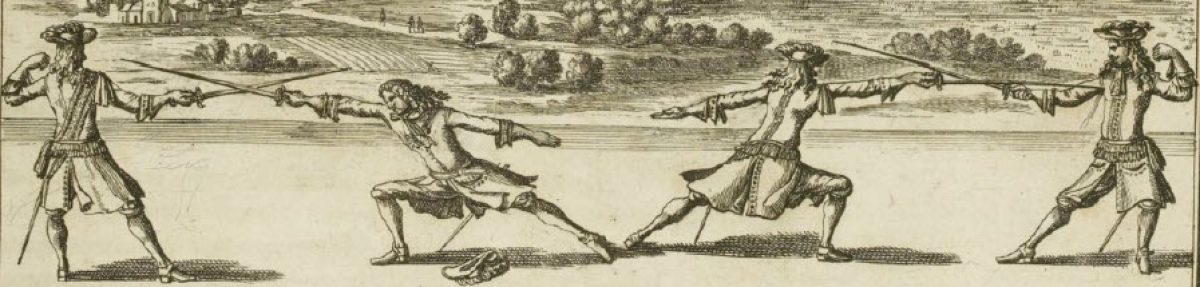
 )
)


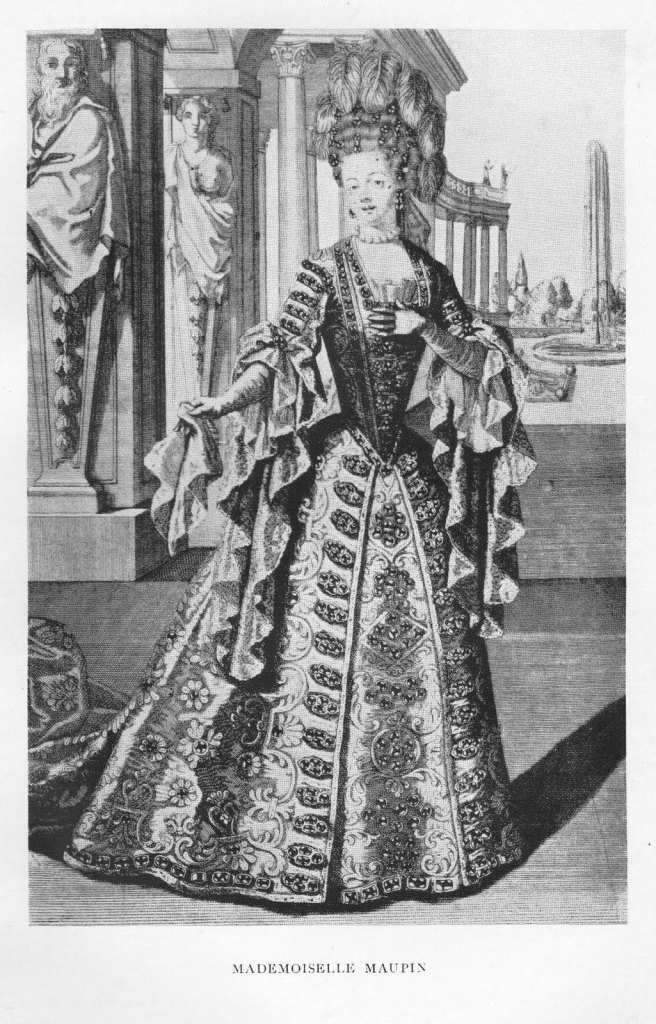
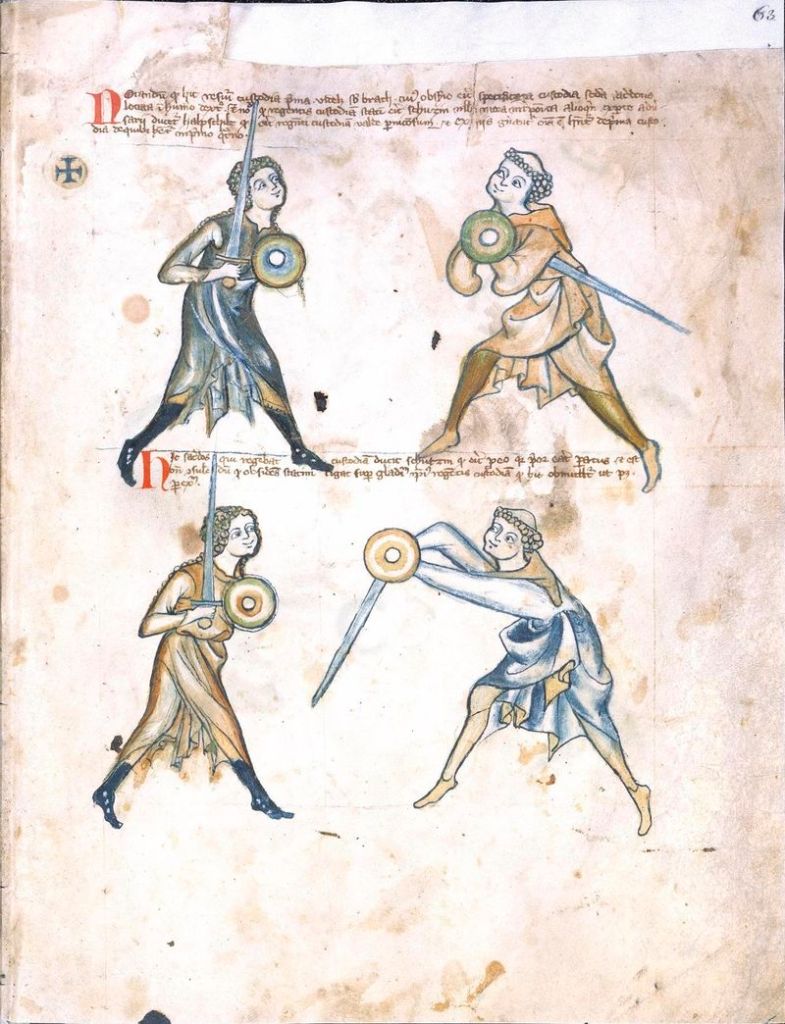
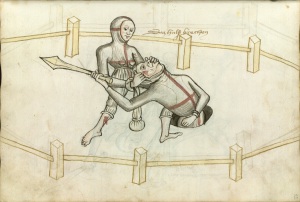


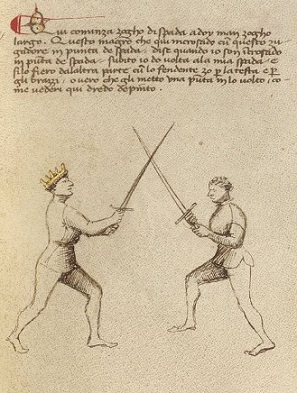







 Trackers Forest School is part of the Trackers program in Portland. For more information see: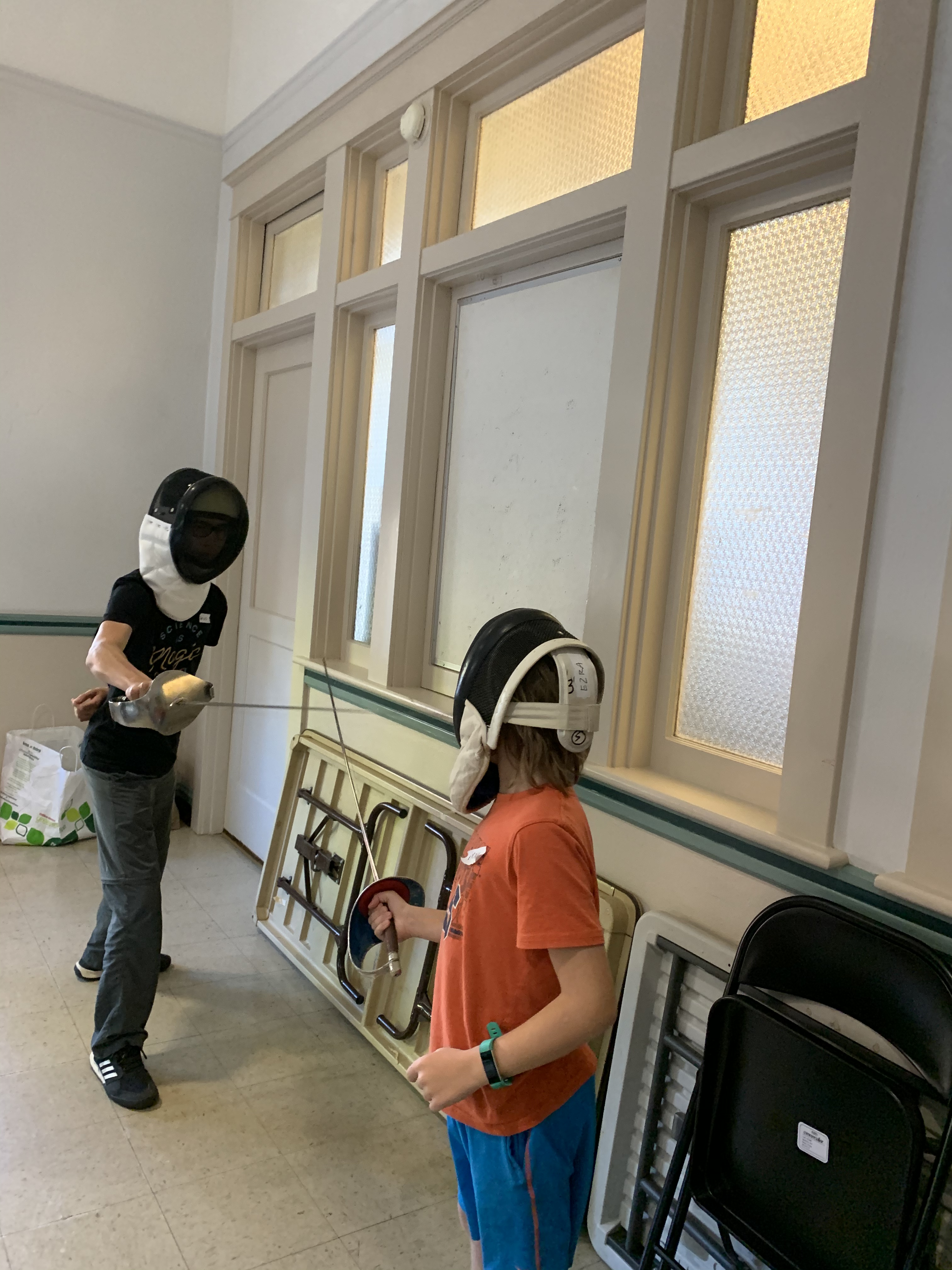
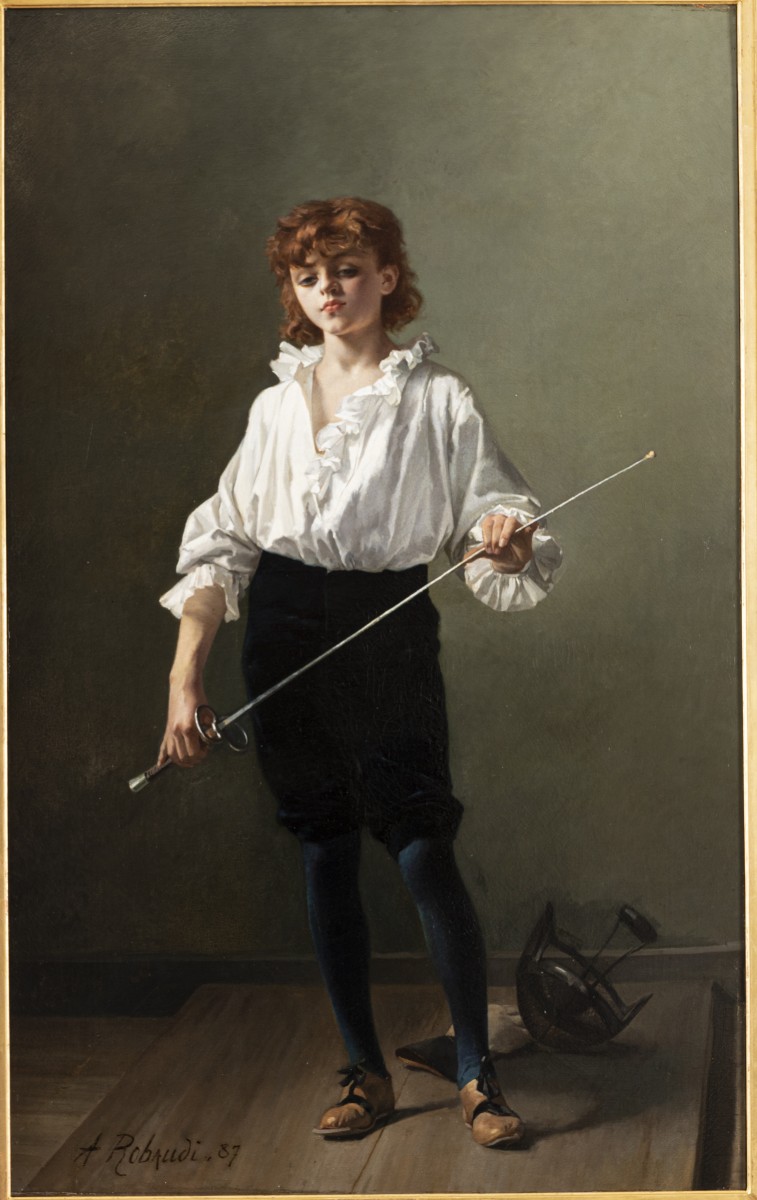






 Capitale Escrime Historical Fencing
#/media/File:MS_I.33_32r.jpg)
